Products of the hive
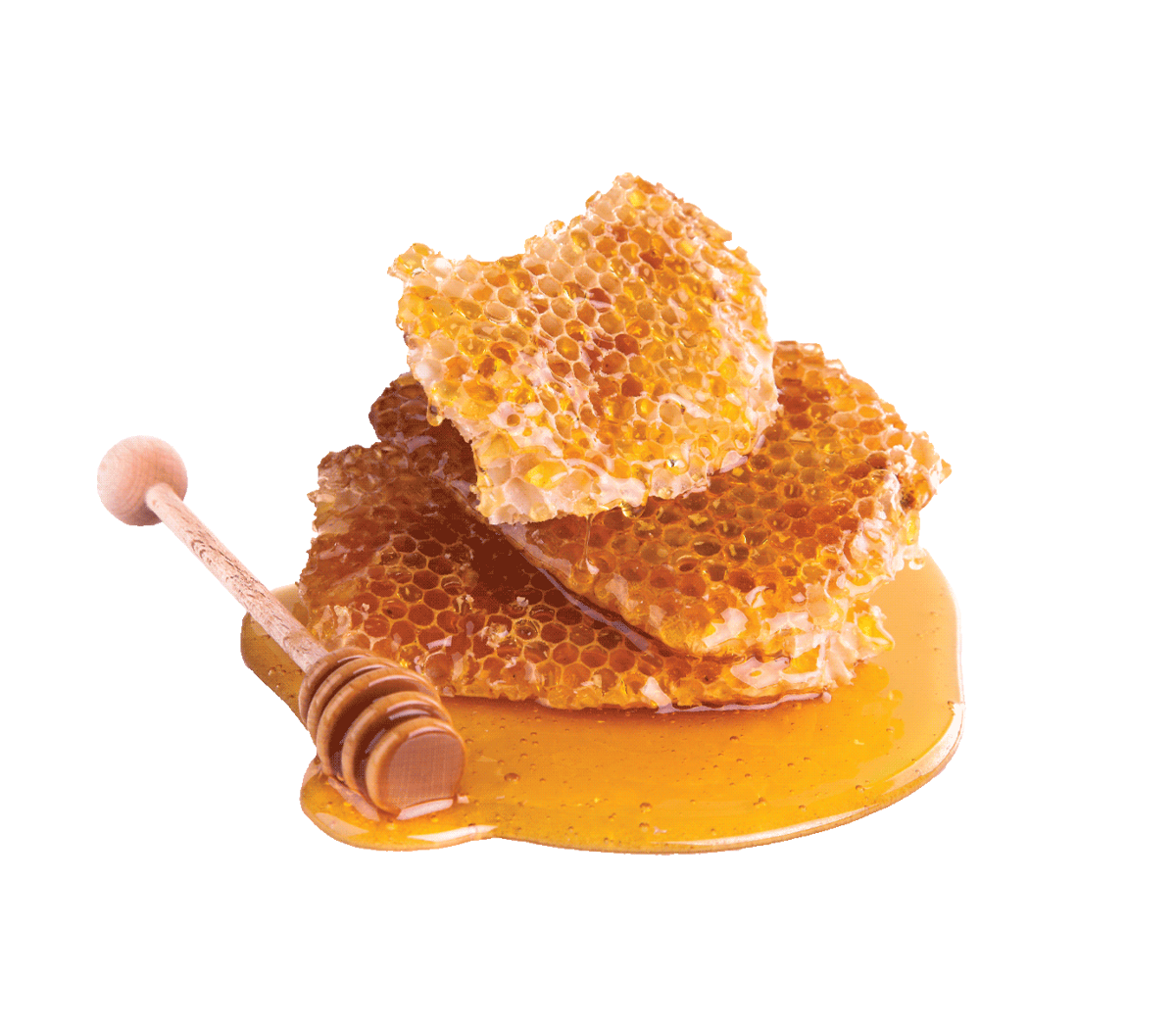
- honey, cut comb honey, sections, mead
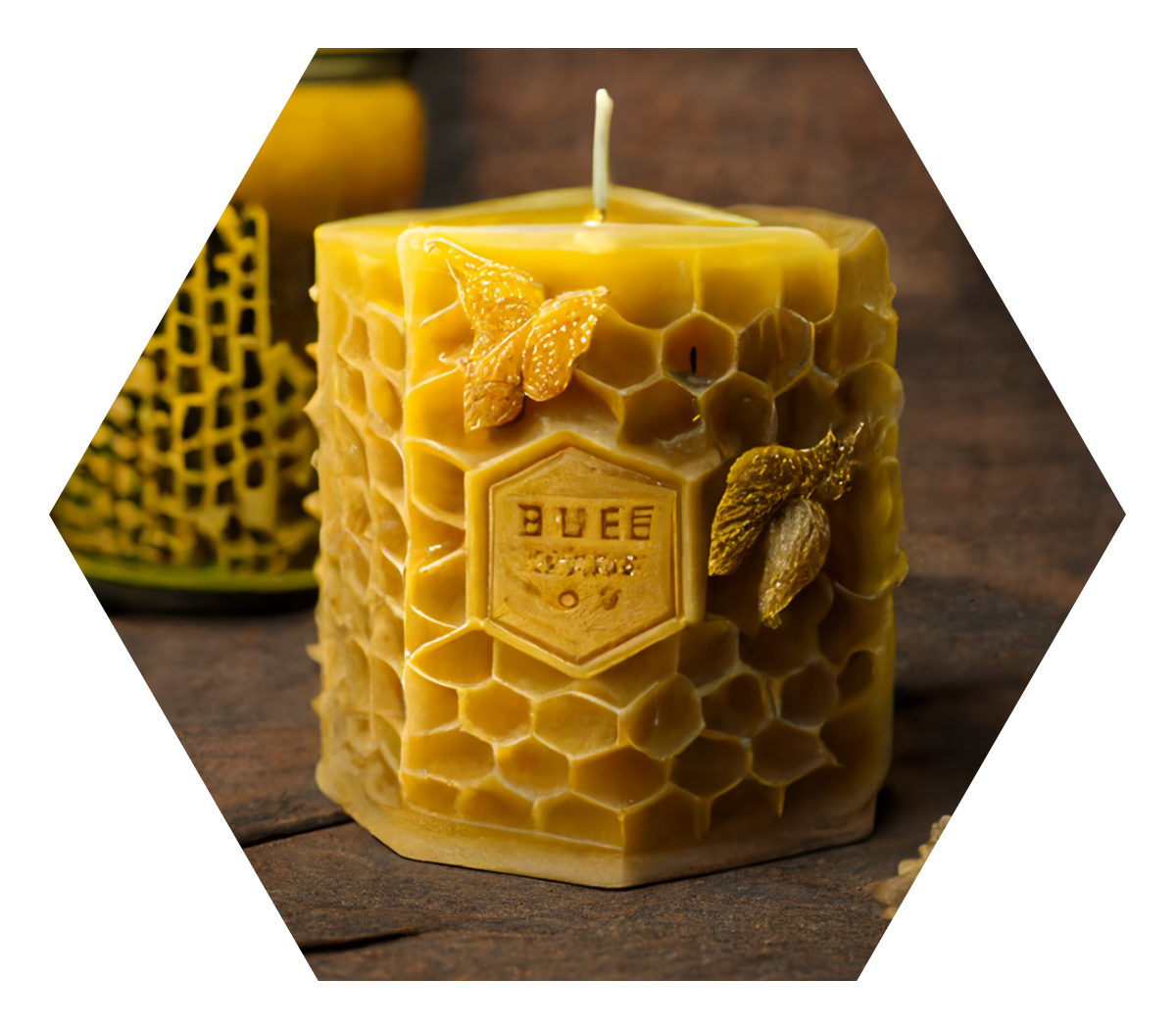
- wax; candles, models, creams, lip balms etc.
- pollen
- propolsis
- royal jelly,
- venon, venom therapy
The best known primary products of beekeeping are honey and wax, but pollen, propolis, royal jelly, venom, queens, bees and their larvae are also marketable primary bee products.
HONEY – A SUPER WONDER FOOD
Honey is the only food produced by insects that is eaten by humans! Honey is anti bacterial, anti fungal and anti viral. Researchers continue to study and learn about this wonder food.
KNOWN BENEFITS
Antioxidant activity: Studies show that honey scavenges free radicals in vitro and in vivo. It enhances our natural antioxidant enzymes, and it has antioxidant flavonoids that contribute to neutralizing free radicals.
Anti-inflammatory potential: Honey has been extensively used to treat ulcers and wounds because it has an impressive anti-inflammatory activity that suppresses specific cytokines and reduces the damage of reactive oxygen species in compromised tissues.
Metabolic and cardiovascular effects: Bee honey prevents cardiovascular disease and reduces metabolic and cardiovascular risk factors such as high cholesterol and triglyceride levels and low HDL-cholesterol.
HONEY IN THE TOMBS.
Photo shows the honey as found in the tomb. In 2012, it was reported that the world’s oldest honey had been discovered in 2003 in the country of Georgia, west of Tblisi, during oil pipeline construction. Archaeologists estimate the honey is about 5,500 years old. Three types of honey were found – meadow flower, berry and linden. Much like in ancient Egypt, the honeys were in ceramic vessels in the tomb of a noblewoman so they could journey with her into the afterlife.
Honey. In 2015, archaeologists reported that they’d found 3,000-year-old honey while excavating tombs in Egypt, and it was perfectly edible. This durability is thanks to the unique features of honey: it is low in water and high in sugar, so bacteria cannot grow on it.
In general, honey doesn’t spoil. However, it can go bad if it’s contaminated or incorrectly stored. If your honey has visible mold, or if it smells fermented or “off,“ then it should not be eaten.
Honey for Health & Wounds
Honey has been used as a treatment for wounds and other health conditions for thousands of years. The ancient Greeks and Chinese used honey for both its medicinal and health properties. It has come to the forefront of wound care in recent years as it is believed that bacteria are unable to develop a resistance to honey due to its ability to block bacterial communication. There are several properties of honey that make it suitable for wound care. The high osmolarity of honey draws fluid out of wounds in a process similar to negative pressure wound therapy. The high acidity of honey increases the amount of oxygen released from hemoglobin which makes the wound environment less favorable to microorganisms. In many honeys, the antibacterial properties come from hydrogen peroxide which is created by glucose oxidase from bees.
Sources: Honey for Wound Management: A Review of Clinical Effectiveness and Guidelines
CADTH Rapid Response Report: Summary with Critical Appraisal
Michelle Clark and Lorna Adcock.
Ottawa (ON): Canadian Agency for Drugs and Technologies in Health; 2018 Nov 6. Copyright and Permissions
IRISH HEATHER HONEY
Heather honey is not runny and has a strong flavour and is dark in colour. It also has chemicals called PHENOLS in it which are the beneficial properties in Manuka Honey. Phenols have anti-oxidant properties which are beneficial to health.
Researchers in Trinity College Dublin and DCU discovered that Irish Heather Honey matches and may even surpass Manuka Honey for health benefits.
Researchers are studying Ivy Honey, and are finding similar beneficial health effects from it.
Honey Bee Wax
Photo shows a honey bee, producing wax from its wax glands.
Beeswax is produced by young worker bees between 12 and 17 days old in the form of thin scales secreted by glands on the ventral surface of the abdomen. Worker bees have eight wax-producing mirror glands on the inner sides of the sternites (the ventral shield or plate of each segment of the body) on abdominal segments 4 to 7. The size of these wax glands depends on the age of the worker, and after daily flights begin these glands gradually degenerate. However, glands can be reactivated by older bees in situations when they might find a new home, such as after swarming (the honeybees’ natural method of reproduction). The new wax scales are initially glass-clear and colourless becoming opaque after mastication by the worker bee. The wax of honeycomb is nearly white, but becomes progressively more yellow or brown by incorporation of pollen oils and propolis. The wax scales are about 3 millimetres (0.12 in) across and 0.1 millimetres (0.0039 in) thick, and about 1100 are required to make a gram of wax. Western honey bees use the beeswax to build honeycomb cells in which their young are raised and honey and pollen are stored. For the wax-making bees to secrete wax, the ambient temperature in the hive has to be 33 to 36 °C (91 to 97 °F). To produce their wax, bees must consume about eight times as much honey by mass. It is estimated that bees fly 150,000 miles to yield one pound of beeswax (530,000 km/kg).
It takes approximately 6 to 8 lbs of honey to make 1 lb of wax (BBKA)
- Wax Cakes
- Bees Wax Candles
- Cosmetics with Bees wax
- lip balm (link to recipe blog)
- Homemade Deodorant.
- Lotion Bars
- DIY Lip Balms
- Lotion Bar Sticks
- Beeswax Candles
- Homemade Soaps
- Baby Products
- Soothe Cracked Heels
Royal Jelly- Superfood
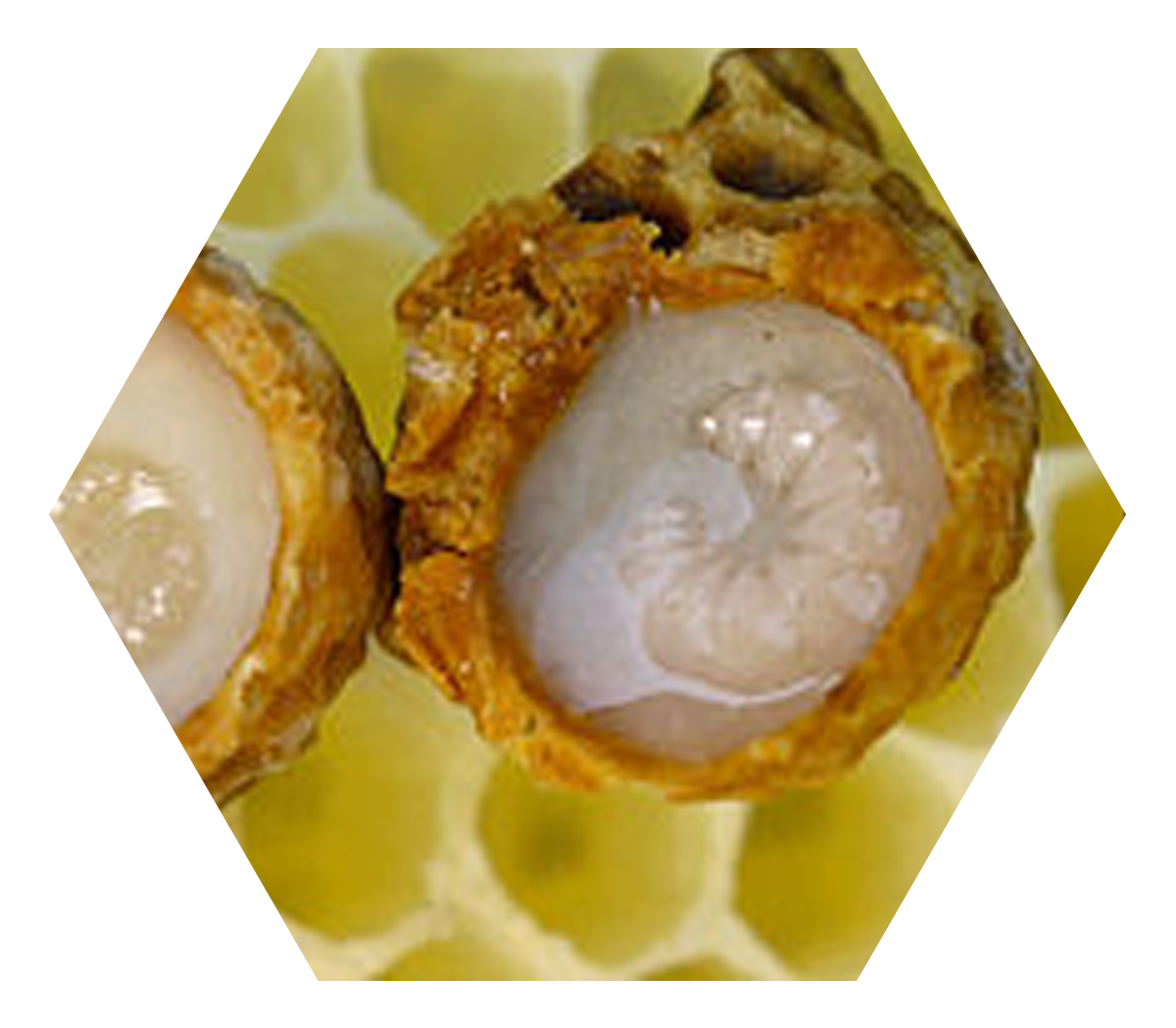
Royal jelly is a honey bee secretion that is used in the nutrition of larvae and adult queens. It is secreted from the glands in the hypopharynx of nurse bees, and fed to all larvae in the colony, regardless of sex or caste. Queen larva in a cell on a frame with bees.
During the process of creating new queens, the workers construct special queen cells. The larvae in these cells are fed with copious amounts of royal jelly. This type of feeding triggers the development of queen morphology, including the fully developed ovaries needed to lay eggs.
Royal jelly is harvested by stimulating colonies with movable frame hives to produce queen bees. Royal jelly is collected from each individual queen cell (honeycomb) when the queen larvae are about four days old. These are the only cells in which large amounts are deposited. This is because when royal jelly is fed to worker larvae, it is fed directly to them, and they consume it as it is produced, while the cells of queen larvae are “stocked” with royal jelly much faster than the larvae can consume it. Therefore, only in queen cells is the harvest of royal jelly practical.
Source: Royal jelly
Bee Pollen
If you think bee honey is beneficial, you will be amazed to know what bee pollen is, and the additional properties it has. Pollen is composed of microscopic particles produced by the male flower. Bees harvest them and transport pollen to the hive, and that’s when it is called bee pollen. Pollen is where bees collect protein from nature, and it is essential to develop bee colonies.
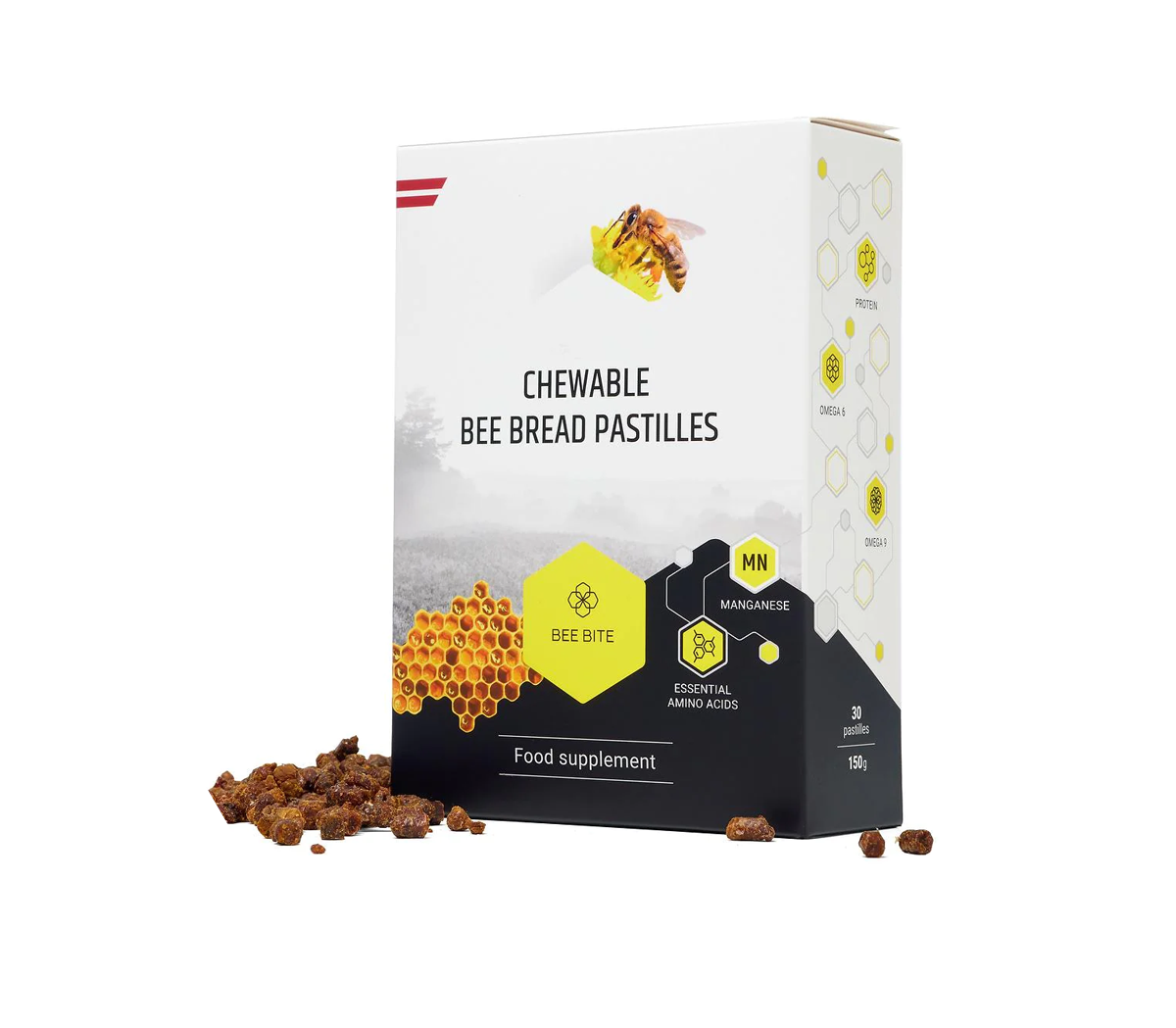
Bee pollen comes from a variety of plants and has many properties depending on the climatic condition, the source of flowers, and the geographical origin. However, it has carotenoids, chlorophyll, it is loaded with vitamins and phenolic compounds, and has essential amino acids that provide a higher nutritional value in pollen compared to honey. Moreover, after being transported, pollen is enriched with bee honey and digestive enzymes contained in the salivary glands of bees. Thus, it has the same properties bee honey has, plus a very high nutritional content derived from essential amino acids
BEE BREAD – WHAT IS IT?
Pollen is extracted from flowers to meet the nutritional requirements of bees, and it is the only protein source they have. However, it should be processed before it feeds the entire hive, especially bee larvae, which cannot digest pollen without due processing.
Thus, they value bee pollen, stack their reserves in honeycomb cells, and then secure and preserve pollen with bee wax and honey. After a while, bee pollen undergoes a long process of fermentation, usually with Lactobacillus species. That is where bee bread comes from. It is basically bee pollen that stayed for a while inside the nest and became naturally fermented.
Bee bread is more difficult to obtain because it is compacted in hard balls solidly fixed in the honeycomb cells. Moreover, the cocoons of bee larvae all around the area makes it even more difficult to collect bee bread. In the majority of cases, and especially if we want to keep the medicinal properties of bee bread, extraction must be done by hand, or we can opt for artificially preparing bee bread. But all of the hassle and extra work pays off because bee bread has exceptional qualities that honey and pollen lack.
MEAD
MEAD – the drink of the gods! Mead is an alcoholic drink made by fermenting honey and water with yeast; of all the crafts of mankind, mead-making is certainly one of the oldest. It can be flavoured with fruit, spices and grains, depending on flavour required.
Apitherapy / Venom Therapy
Bee therapy, or apitherapy, is practised around the world. Bees have been used in Chinese medicine for thousands of years; at bee-therapy clinics in China patients have up to 50 stings a day, to treat a range of ailments. Advocates say the therapy can help treat many diseases, from allergies and asthma to cardiovascular problems, Bee therapy, or apitherapy, is practised around the world. Bees have been used in Chinese medicine for thousands of years; at bee-therapy clinics in China patients have up to 50 stings a day, to treat a range of ailments. Advocates say the therapy can help treat many diseases, from allergies and asthma to cardiovascular problems, The venom in a bee stings has three effects on a human: it paralyses the local nervous system, increases blood flow and destroys red blood cells. Scientists believe the venom has pharmaceutical or anti-inflammatory properties that can boost the immune system, although the full effects are unclear. Wasp stings are not known to have medicinal effects.
As bee venom is thought to boost the immune system, it is also used to treat other degenerative diseases such as multiple sclerosis, in which the immune and nervous systems progressively deteriorate.
Bee sting showing barbed sting with venom sac attached. A honey bee dies after stinging. (The Queen does not die after using her sting.) LES ABEILLES, CREATURES MAGIQUES MENACÉES DE DISPARITION !…
Photo of wasp with projectile sting which it withdraws. A wasp will regenerate it’s sting within 20 minutes and is able to sting again.
ENCAUSTIC ART
Encaustics, or wax painting, describes an artistic painting technique. Here, special encaustic wax colors are heated with a painting iron and applied to the painting surface. These wax colors can then be worked on with different tools such as a sponge in order to achieve beautiful effects.
Now Is Here…You Are Not, Encaustic on Wood with Image Transfer & Charcoal Pencil, 12x12x2 inches
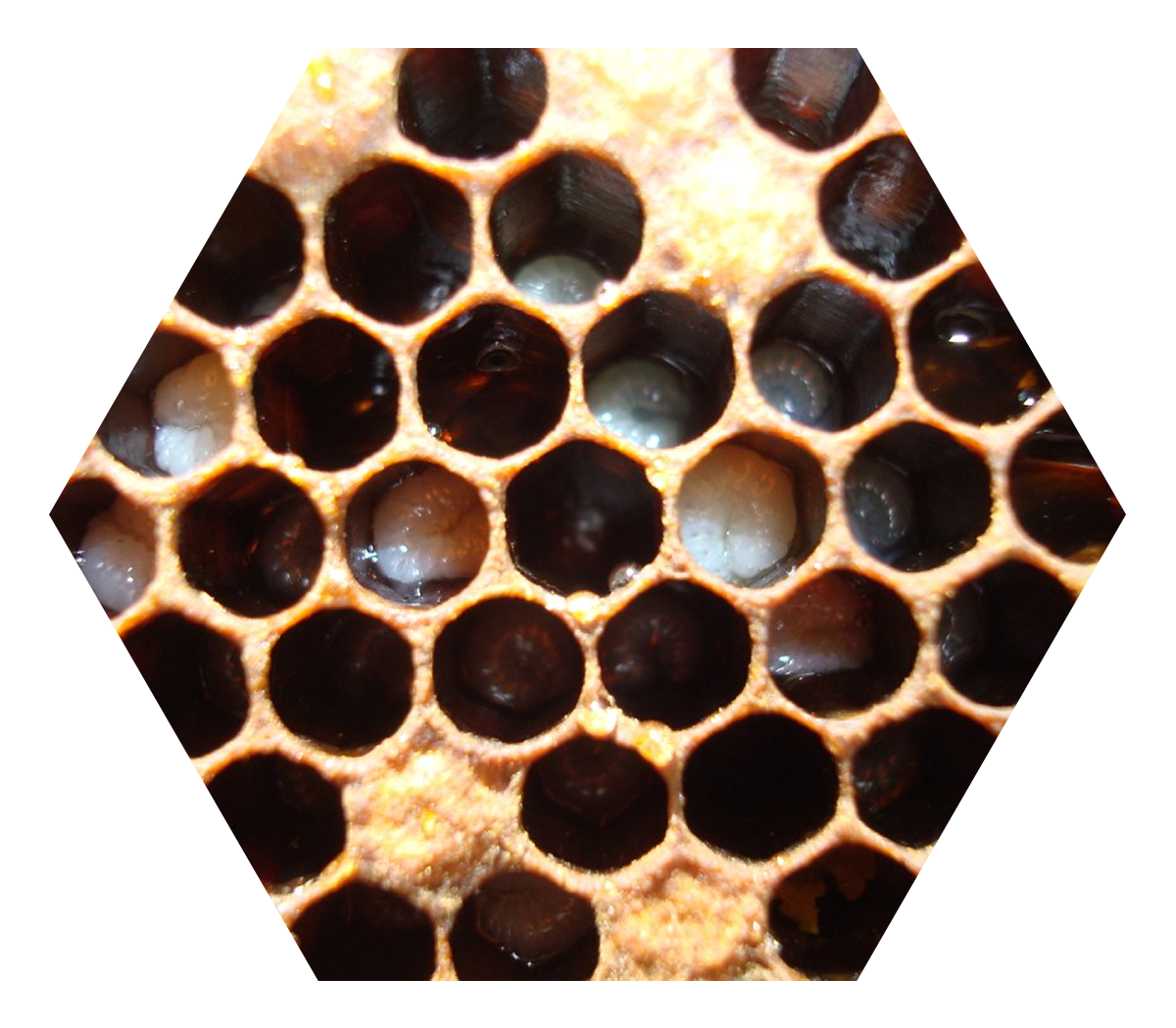
BEE BROOD
Bee Brood larva for food. Mr. Lusale, a Zambian, beekeeping extension officer,
demonstrating an alternative use for bee brood.